
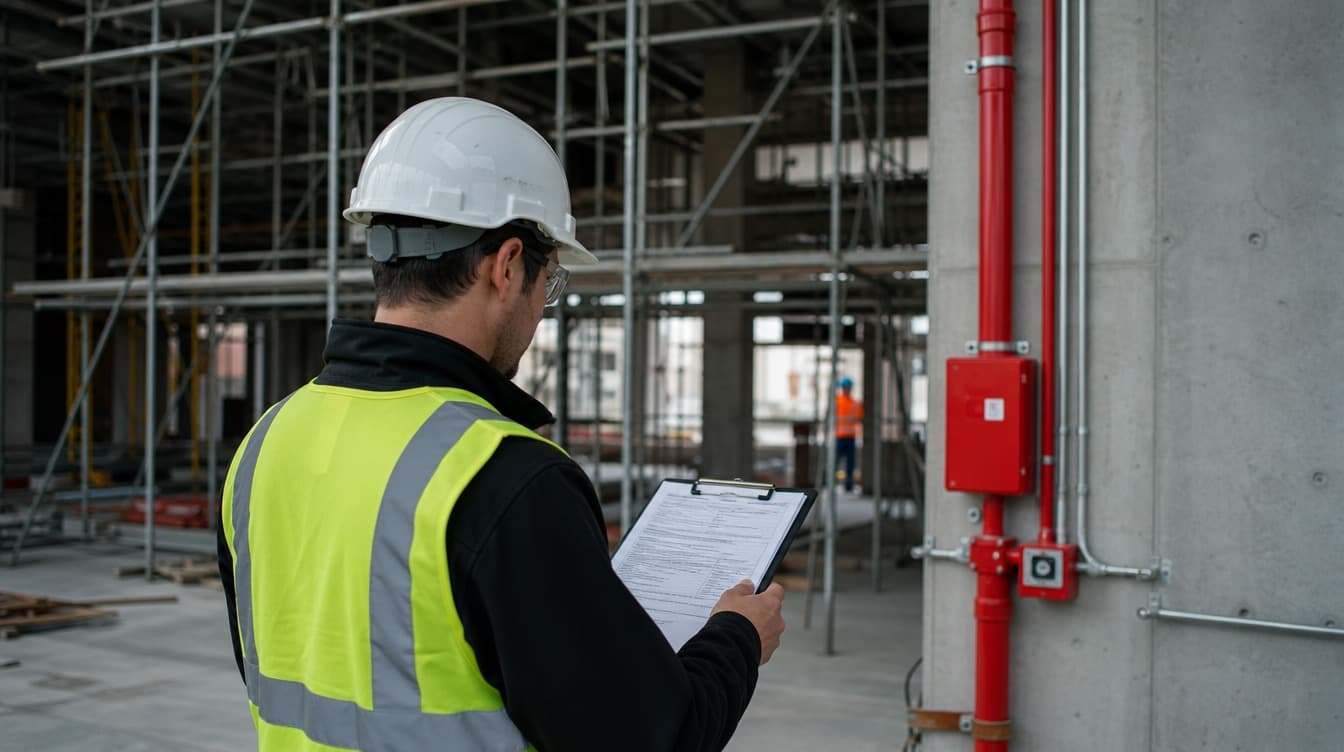
Third-Party Verification Explained
December 28, 2025
For passive fire protection and fire detection, third‑party verification is fast becoming a baseline expectation.
Understanding the Importance of Independent Fire Safety Assessments
In an increasingly regulated and risk‑aware construction environment, “we’ve done it correctly” is no longer enough. Clients, insurers and regulators want to know: who says so, and how do they know?
That’s where third‑party verification comes in. Independent assessment and certification schemes provide confidence that fire safety products, systems and installers meet defined standards – and that they are regularly checked.
For passive fire protection and fire detection, third‑party verification is fast becoming a baseline expectation.
What Is Third-Party Verification?
Third‑party verification is an independent assessment carried out by a certification body that is separate from the client, designer and installer. It may cover:
- Products and systems – e.g. fire stopping products, fire doors, boards and alarms tested and certified to specific standards.
- Installers and contractors – companies assessed on their competence, quality management and on‑site work.
- Completed systems or buildings – periodic audits or inspections to confirm installations meet the required standard.
Crucially, third‑party schemes usually involve ongoing surveillance, not a one‑time approval.
Why Third-Party Verification Matters
- Assurance of Competence
Certification bodies verify that companies have:
- Appropriate training and supervision arrangements
- Documented procedures and quality controls
- A track record of compliant installations
For clients and main contractors, this significantly reduces the risk of appointing an unqualified installer for critical life‑safety work.
- Product Performance You Can Rely On
Products covered by recognised third‑party schemes have:
- Been tested to relevant BS/EN standards
- Factory production control systems in place
- Ongoing checks to ensure they continue to meet performance claims
This helps prevent substitution with “lookalike” materials that lack credible test data.
- Regulatory and Insurer Confidence
While not a legal requirement in all cases, third‑party verification is strongly encouraged by many guidance documents and professional bodies. It can:
- Strengthen your position with Building Control and fire authorities
- Support discussions with insurers about risk and premiums
- Provide evidence of due diligence if works are ever challenged
- Reduced Long-Term Liability
If you can show that:
- Products were third‑party certified, and
- Installers operated under recognised schemes
you are in a stronger position to demonstrate that reasonable steps were taken to ensure safety – a key consideration under modern regulatory regimes.
Types of Third-Party Schemes in Fire Safety
While specific providers vary, you’ll typically see schemes covering:
- Passive fire protection installers – e.g. schemes similar to FIRAS, BM TRADA Q‑Mark installers.
- Fire door manufacturers and installers – certification of complete door sets and those authorised to fit or remediate them.
- Fire stopping products – boards, batts, sealants, collars and wraps tested and audited under certified programmes.
- Fire detection and alarm systems – design, installation, commissioning and maintenance companies certified to BS 5839.
The key is to look not only for logos, but for scope: what exactly is certified, and does it match the work being done on your project?
What Third-Party Verification Does Not Replace
Third‑party schemes are powerful, but they are not a substitute for:
- A competent fire strategy and design
- Proper coordination between trades and designers
- On‑site supervision, inspection and QA
- A robust digital audit trail and clear handover documentation
Think of third‑party verification as a core building block within a wider compliance framework – not a standalone guarantee.
Practical Tips for Using Third-Party Verification Effectively
- Specify it clearly – include third‑party certification requirements in your employer’s requirements, design briefs and trade contracts.
- Check certificates and scope – verify that the schemes held by contractors and manufacturers cover the exact services and products in use.
- Demand evidence of ongoing surveillance – up‑to‑date certificates, audit reports, and non‑conformance close‑out where applicable.
- Align with your own QA – combine third‑party schemes with your inspection regime and digital documentation.
How DefendX Fire Protection Approaches Certification
As a compliance‑led passive fire protection contractor, DefendX Fire Protection:
- Works with third‑party certified products and systems wherever applicable
- Operates under robust quality controls aligned to recognised schemes
- Provides digital, photo‑rich records linking installations to certified products and details
For clients, this means independent assurance is built into both the materials we use and the way we install them.
Third‑party verification is not just a badge; it’s part of how we deliver safe, defendable fire protection across UK construction.
Protecting What You Build means backing your fire safety strategy with independent, credible evidence.